

Automated external defibrillators (AEDs) are life-saving devices that have revolutionized the way we respond to cardiac emergencies. These portable, easy-to-use devices can deliver electric shocks to the heart, restoring its normal rhythm during sudden cardiac arrest (SCA). With their ability to quickly analyze the heart’s rhythm and provide prompt defibrillation, AEDs have become a crucial tool for both trained medical professionals and laypersons alike in saving precious lives.
When someone suffers from SCA, every minute counts. The timely use of an AED can significantly increase the chances of survival, as it is estimated that chances of survival decrease by 7-10% with every passing minute without defibrillation. AEDs are designed to be user-friendly, often equipped with clear voice prompts and visual instructions to guide rescuers throughout the process. These devices are strategically placed in various public areas, including schools, airports, shopping centers, and sports arenas, making them readily accessible for immediate use by anyone in case of an emergency. In this article, we will explore the functionality and benefits of automated external defibrillators, shedding light on how they have become a crucial component of modern emergency response systems.
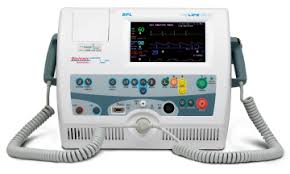
Importance of Automated External Defibrillators (AEDs)
Automated External Defibrillators, commonly known as AEDs, are essential life-saving devices that can significantly increase the chances of survival during a cardiac arrest. These portable devices deliver an electric shock to the heart, restoring its normal rhythm and allowing it to pump blood effectively. AEDs are crucial in situations where immediate medical attention is necessary, such as in schools, airports, sports facilities, and workplaces. By providing quick access to AEDs and ensuring proper training, we can save countless lives. To learn more about the importance of AEDs and how they can be beneficial in emergencies and learn more, dive deeper into the topic here.
Considerations for AED Implementation
When considering the implementation of Automated External Defibrillators, several factors should be taken into account to ensure their effectiveness and accessibility. Firstly, it is crucial to assess the risk level of the environment where the AED will be placed. High-risk areas, such as gyms, swimming pools, or areas with a large elderly population, should have an AED readily available. Additionally, proper training of staff or volunteers to handle and operate AEDs is of utmost importance. Regular maintenance and inspections of the devices also ensure their reliability during emergencies. For more information on the considerations for AED implementation and the need for these life-saving devices, dive deeper into the topic here.
In conclusion, automated external defibrillators (AEDs) have become an indispensable tool in the field of emergency response. Their ability to quickly analyze and restore the heart’s rhythm during sudden cardiac arrest has significantly increased the chances of survival for countless individuals. The widespread placement of AEDs in public areas has made them accessible to both medical professionals and laypersons, enabling prompt and effective action in critical situations. However, it is important to carefully consider the implementation of AEDs, taking into account factors such as risk level and proper training, to ensure their optimal effectiveness. With their life-saving potential, AEDs serve as a vital component of modern emergency response systems and contribute to the preservation of precious lives.