
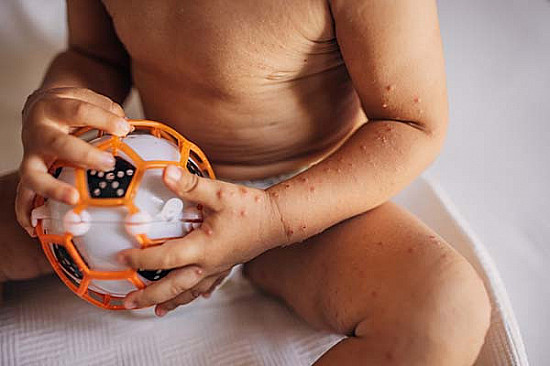
Hand, Foot and Mouth Disease is a common viral illness that primarily affects young children. It is characterized by the presence of sores or blisters on the hands, feet, and in the mouth. While typically not serious, the symptoms can be uncomfortable and disruptive to daily life.
This article will explore the causes, symptoms, and treatment options for Hand, Foot and Mouth Disease. We will also discuss how to prevent the spread of the disease and provide tips for managing symptoms at home. By understanding more about this illness, parents and caregivers can better care for their children and help prevent its transmission to others.
Causes and Symptoms of Hand, Foot and Mouth Disease
Hand, Foot and Mouth Disease is most commonly caused by the Coxsackie virus. This virus is highly contagious and spreads through close personal contact, as well as through respiratory secretions, saliva, and feces. The symptoms of the disease usually begin with a fever, sore throat, and a general feeling of being unwell. After a few days, red spots may appear in the mouth and throat, followed by a rash on the hands and feet. In some cases, these blisters can be painful and make eating difficult.
Treatment and Prevention Strategies
While there is no specific treatment for Hand, Foot and Mouth Disease, symptoms can be managed with over-the-counter pain relievers, mouthwashes, and soothing creams. It is important to stay hydrated and get plenty of rest to help the body fight off the virus. To prevent the spread of the disease, practicing good hygiene such as regular handwashing, avoiding close contact with infected individuals, and disinfecting commonly touched surfaces can be effective. For more information on Hand, Foot and Mouth Disease, visit 手足口症.
Parents and caregivers should also be aware of the importance of keeping children home from school or daycare if they are showing symptoms of Hand, Foot and Mouth Disease to prevent the spread to others. While the disease is usually mild and resolves on its own within a week or two, complications can occur in rare cases. By knowing how to recognize the symptoms, take steps to prevent transmission, and provide supportive care at home, individuals can help minimize the impact of Hand, Foot and Mouth Disease on their family and community.