
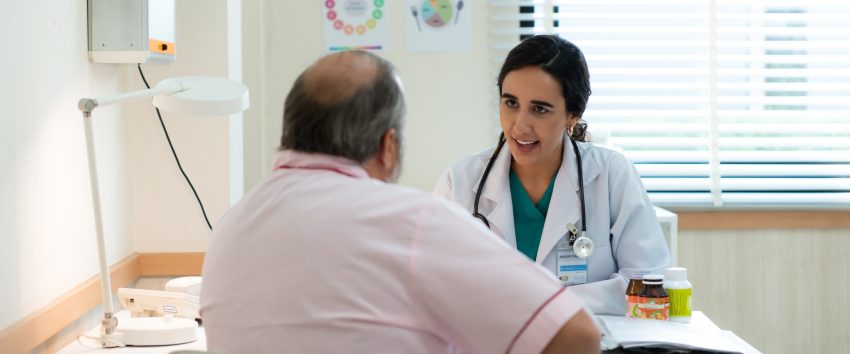
Learning medical Spanish can be incredibly valuable for healthcare professionals looking to better communicate with Spanish-speaking patients. Whether you work in a hospital, clinic, or private practice, being able to speak Spanish can help you provide more accurate and effective care to a wider range of patients.
Medical Spanish courses are designed to teach healthcare professionals the language skills they need to communicate effectively with Spanish-speaking patients. These courses cover topics such as common medical vocabulary, basic grammar, and cultural differences that can impact patient care. By taking a medical Spanish course, healthcare professionals can improve their communication skills, build trust with patients, and ultimately provide better care for all of their patients.
The Benefits of Medical Spanish Courses
Taking a medical Spanish course can provide healthcare professionals with a range of benefits. Not only does it help improve overall patient care by enhancing communication with Spanish-speaking patients, but it also allows providers to build stronger relationships with their patients. By understanding the language and cultural nuances, healthcare professionals can offer more personalized care that takes into account the specific needs and backgrounds of each patient. This can lead to better health outcomes and increased patient satisfaction.
Medical Spanish courses, such as the one offered by medical Spanish course, are specifically designed to help healthcare professionals bridge the language barrier and provide high-quality care to all patients, regardless of their language preferences. These courses not only focus on language skills but also on cultural competency, ensuring that providers can deliver care that is respectful and effective. By enrolling in a medical Spanish course, healthcare professionals can expand their skill set, enhance their practice, and make a positive impact on patient care.
Overall, investing in a medical Spanish course can greatly benefit healthcare professionals in enhancing their communication skills and providing better care to a diverse range of patients. By understanding the language and cultural differences, healthcare professionals can build trust, establish stronger relationships, and ultimately improve health outcomes and patient satisfaction. With the growing need for healthcare providers to be able to effectively communicate with Spanish-speaking patients, taking a medical Spanish course is a valuable investment that can have a positive impact on the quality of care provided.