
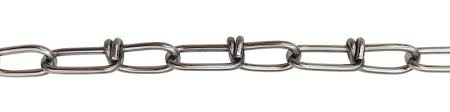
Chains have been a fundamental part of human civilization for centuries, serving various purposes ranging from transportation and security to industrial applications. Made up of interlocking links, chains are designed to withstand heavy loads and provide strength and durability in a wide range of settings.
From the chains that secure our bicycles to the massive anchor chains used on ships, these versatile tools play a crucial role in our daily lives. In this article, we will explore the history of chains, their different types, and the various industries that rely on them for their operations.
Evolution of Chains
Over the years, chains have evolved significantly in terms of design, materials, and applications. In ancient times, chain were primarily made of simple metal links and used for basic tasks like securing doors and tying up animals. However, with advancements in technology and engineering, modern chains are now constructed using high-strength alloys and specialized coatings to enhance their durability and longevity.
Today, chains are used in a multitude of industries, including construction, transportation, and manufacturing. From lifting heavy machinery to supporting intricate jewelry pieces, chains have become indispensable tools in various sectors. The versatility and strength of chains make them a vital component in ensuring the efficiency and safety of many operations.
With the continuous advancements in materials and manufacturing techniques, chains have become more versatile and reliable than ever before. Whether it’s securing important assets or connecting components in complex machinery, chains are essential in a wide range of applications. The evolution of chains reflects our commitment to innovation and progress, ensuring that these timeless tools continue to play a crucial role in shaping the world around us. As we look towards the future, it is certain that chains will remain an integral part of human civilization for many more centuries to come.